10 min read
What Is an SSL Certificate Chain? Explained Simply
An SSL certificate chain links your site to a trusted root via intermediates. Certs cap at 200 days and drop to 47 by 2029. Learn how to verify your chain.
AAbhay Khant
47 posts found with this tag.
An SSL certificate chain links your site to a trusted root via intermediates. Certs cap at 200 days and drop to 47 by 2029. Learn how to verify your chain.

Passkeys vs passwords compared honestly: 128-bit keys vs 47-bit passwords, origin binding that stops phishing, recovery caveats, and migration steps.

Test HTML email rendering properly: why Outlook differs, a six-step pre-send checklist, client-by-client constraints, defensive coding, and seed-list workflow.
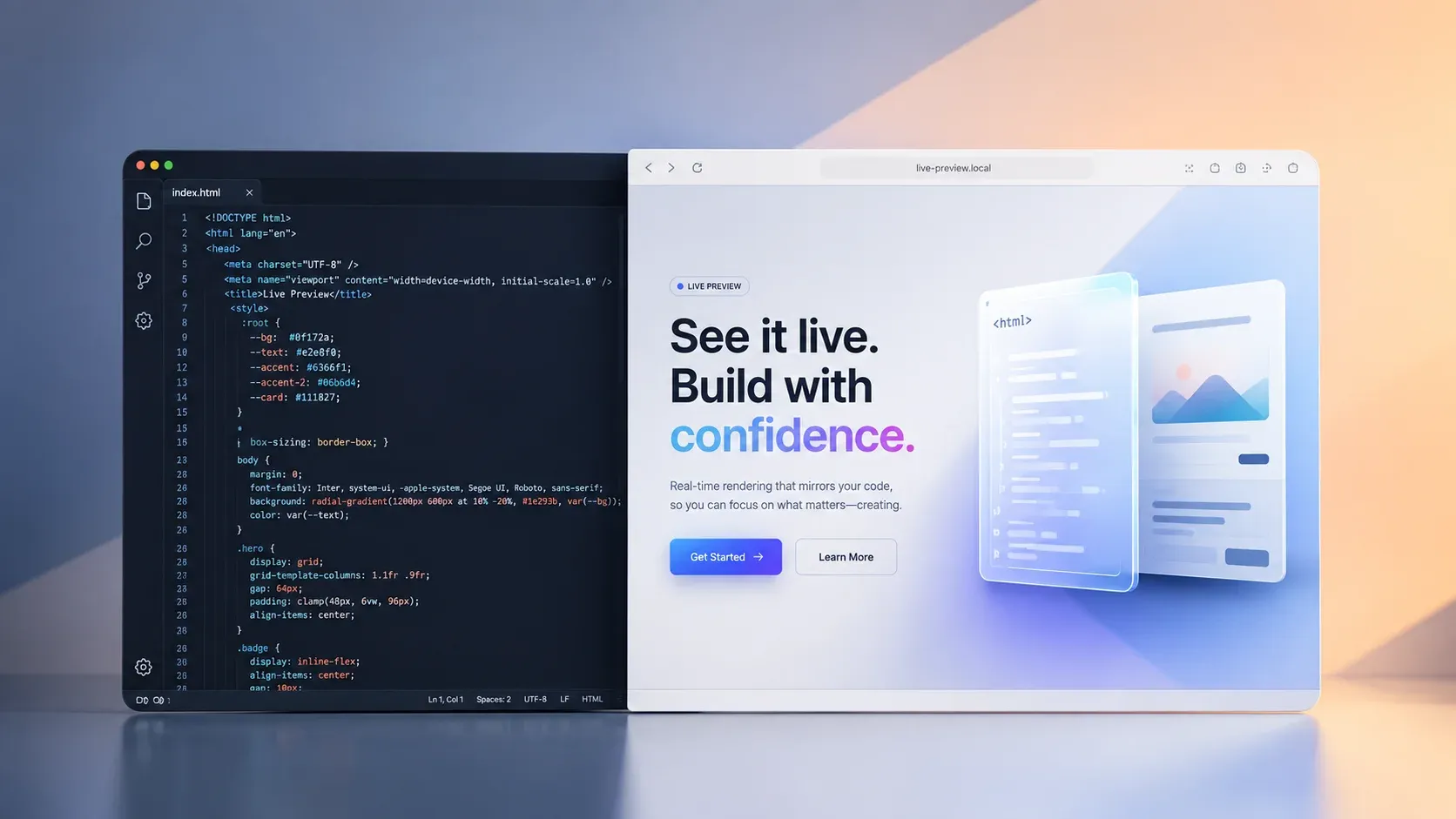
How online HTML preview works: sandboxed iframes render your markup in milliseconds, with security notes, honest limits, and step-by-step playground usage.

Markdown vs HTML compared with real measurements: rendered HTML ran 23% heavier than source, plus capability tables, safety notes, and when each format fits.

How QR codes work: the encode, correct, place, mask pipeline, measured module anatomy, and a damage experiment where level H survived 200 blotches.

Do QR codes expire? The pattern never does: how static links rot, dynamic services die, and measured error-correction tradeoffs decide real-world lifespan.

Optimize SVG for the web with measured proof: a real editor export cut 51.6% by SVGO, where the bytes hide, delivery choices, and a pre-ship checklist.

Your IP address explained: find it on any device, public versus private ranges, a live trace of what servers see, and why 4.3 billion IPv4 addresses ran out.

HEX vs RGB vs HSL explained with one real color in three notations and a measured five-shade HSL ramp, plus guidance on which format fits each editing task.

JSON Schema vs TypeScript types: a compiled-and-crashed experiment (0 compile errors, 2 runtime TypeErrors), plus how modern stacks use both together.

Image alt text done right: the W3C decision tree, weak-versus-strong rewrites, honest SEO value, the 53.1% failure rate, and a testing workflow.

How long Google takes to index: one study found 83% of indexed pages make it within a week. The gates, the fixes, and why some pages never make it.

OAuth vs OpenID Connect explained: authentication versus authorization, the 5-step PKCE flow, an ID-token checklist, and a real RS256 token, fully decoded.

Base64 vs base62 compared with real measurements: one 128-bit value at 21 vs 22 characters, alphabet and URL-safety differences, and which fits each job.

UUID v4 vs v7 compared: a 5,000-value sort test, millisecond timestamp recovery, index effects, collision math, privacy tradeoffs, and how to choose.

How JWT works: 3 segments, 1 signature check that matters. Structure and claims, HS256 vs RS256, a real tamper test, common attacks, and safe storage.

WCAG contrast ratio guide: AA and AAA thresholds, luminance math, measured color pairs, why 83.9% of home pages fail low contrast, and how to fix them.

What an SSL certificate does: enables TLS encryption, proves site identity. How certs work, what they contain, and why 90%+ of web traffic now runs HTTPS.

301 vs 302 redirects explained: when permanence matters, how chains cost rankings, and why 8 of 10 domains we traced carried extra hops.

Flexbox vs grid with side-by-side code, a decision table, and the one minmax() line that needs zero media queries. Copy-ready CSS examples for both systems.

Compare 5 Wappalyzer alternatives: WhatRuns, BuiltWith, PublicWWW, open-source libraries, and free manual checks, compared by accuracy, cost, and best fit.

Find what CMS any website uses in under 2 minutes with 8 free view-source signatures covering WordPress, Shopify, Wix, Squarespace, Webflow, and Drupal.

Learn how to detect website technology step by step: HTTP headers, page source, cookies, DNS, and certificates. A manual-first workflow anyone can follow.

Looking for a CodeBeautify alternative? ToolSura's 90+ dev tools run 100% in your browser: no ads, no signup, no 1 MB limits. Format, minify, diff safely.

Learn how to minify JavaScript and CSS. Median mobile pages shipped 558 KB of JS in 2024. Cut bytes with Terser, Lightning CSS, and online tools.

TypeScript strict mode catches real bugs before they ship. Learn strictNullChecks, unknown vs any, narrowing, and runtime validation with Zod.

Infer JSON Schema from JSON samples with quicktype: CLI setup, multi-sample inference, Draft 7 output, limitations, refinement, and CI validation.
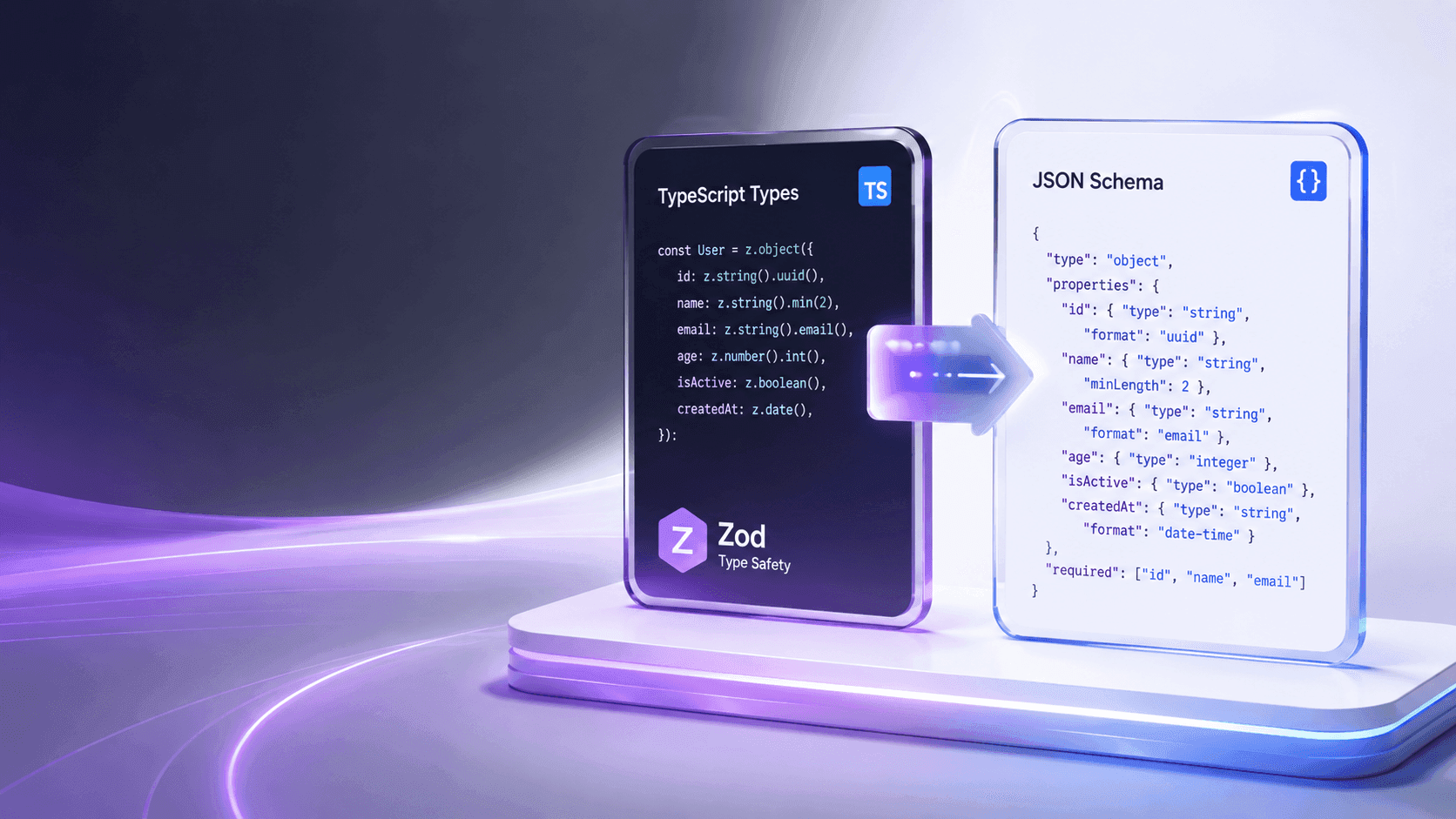
Generate JSON Schema from Zod schemas with z.toJSONSchema(): draft 2020-12 export, recursion, unrepresentable types, AJV validation, and CI gates.

CSS gradient transparency fades a gradient to see-through with an alpha channel on a color stop. Learn rgba syntax, scrims, and the gray-midpoint trap.

CSS gradient text clips a gradient to your letters with background-clip: text. Learn the recipe, the -webkit- prefix, and the fallback color you need.

A CSS gradient border needs a workaround: border-color takes only solid colors. Compare border-image, background-clip, and CSS mask, at 98%+ browser support.

CSS gradient performance is a non-issue when static. Cost shows up on animation and huge repainted areas. Learn to profile and optimize gradients.

A CSS conic gradient sweeps color by angle around a center, not by distance. Learn conic-gradient syntax and build pie charts and color wheels in pure CSS.

A CSS radial gradient fades color outward from a center point. Learn shape, all 4 size keywords, and center positioning with copyable examples.

A CSS linear gradient paints colors along a straight line, no image file needed. Master syntax, direction angles, color stops, and repeating stripes.

CSS gradients create smooth color transitions with no image files. Learn linear, radial, and conic syntax, color stops, and when to use each type.

A redirect chain is a series of redirects between your URL and the final page. Nearly 1 in 12 sites has one. Learn how to find, fix, and prevent them.

Create and verify a Google Search Console property (URL-prefix or Domain) so gsc-indexer can inspect your URLs without 403 errors.

Model Context Protocol (MCP) is the open standard connecting AI to your tools and data. Learn how it works, how it differs from APIs, and why it matters.
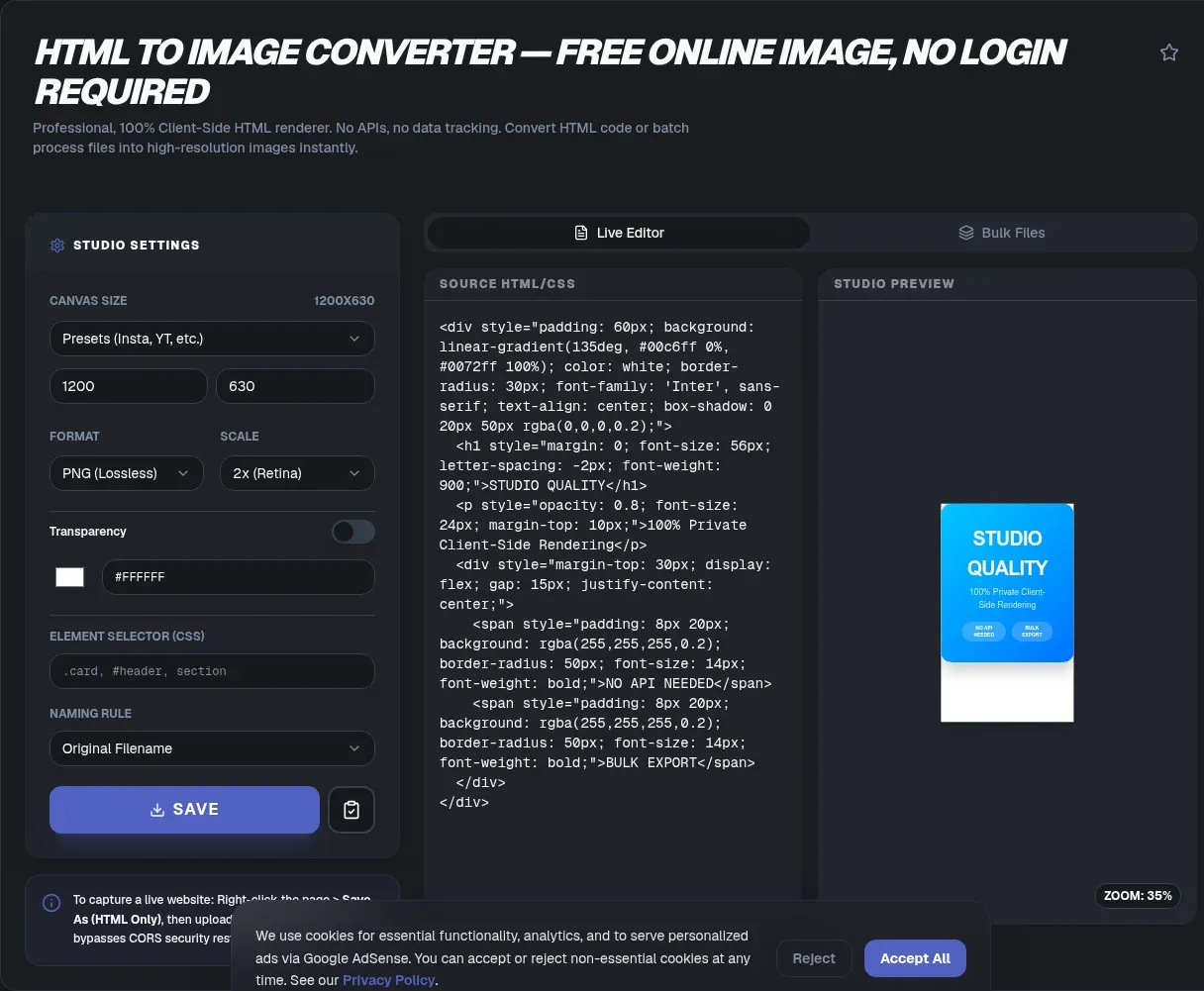
Convert HTML to JPEG, PNG, WebP, or AVIF in your browser. No upload, no signup, your markup never leaves your device. Quality 60 cuts JPEG size 79%.
Free WebP to PNG/JPG converter that runs entirely in your browser. Keep transparency, batch convert with no uploads and no file size caps.
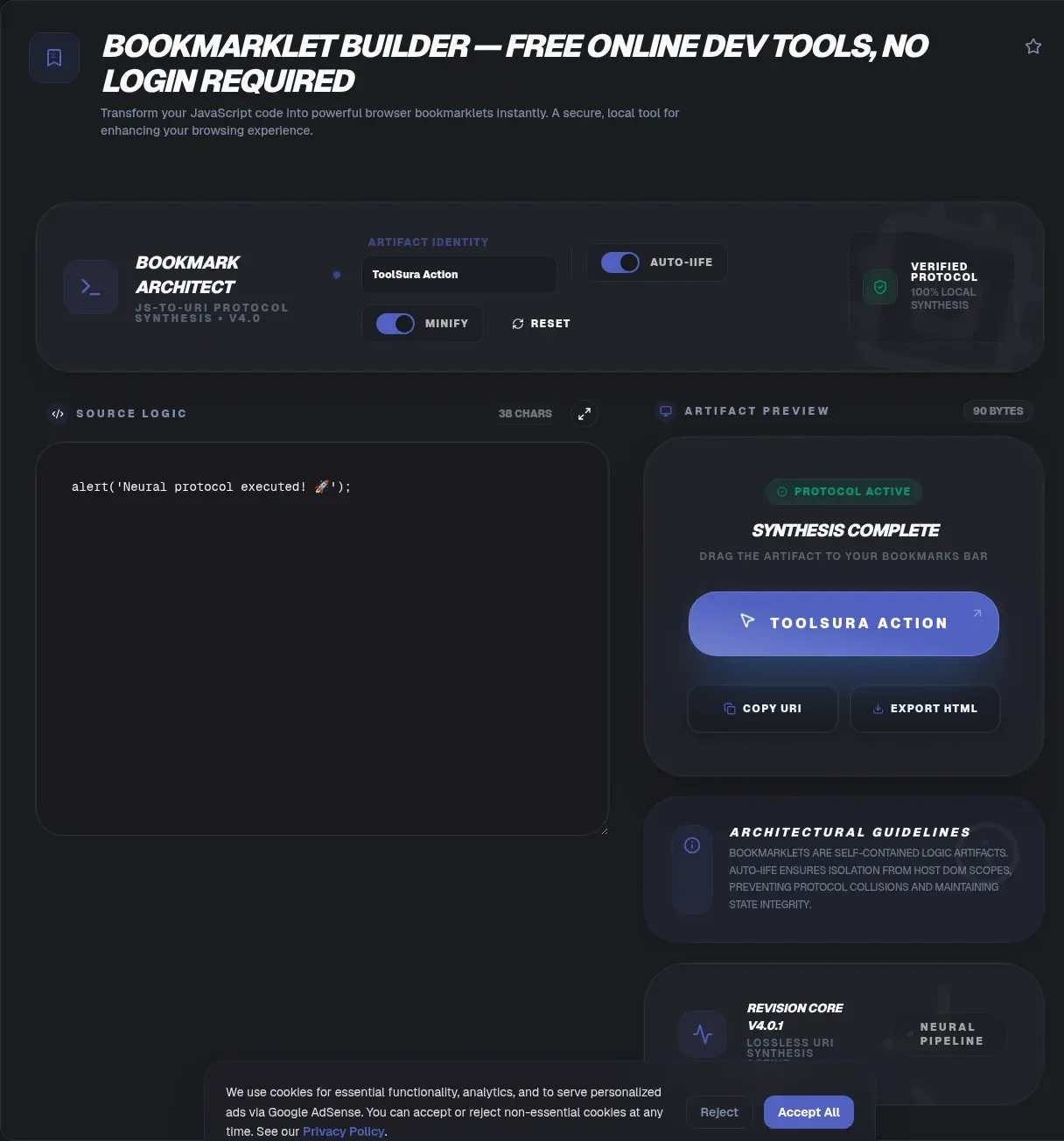
Build one-click bookmarklets from JavaScript, free and in-browser. No upload, no signup. IE capped URLs at 2,083 characters, so minify first.
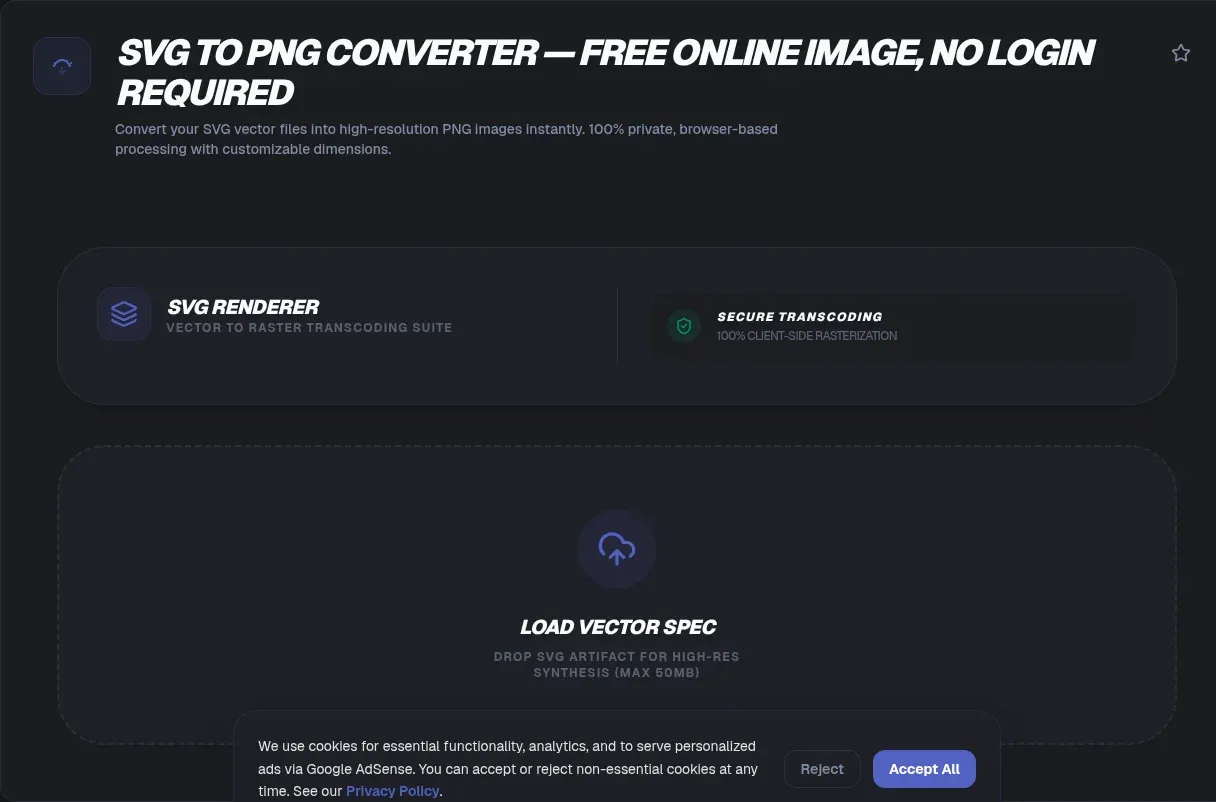
Free SVG to PNG converter that runs entirely in your browser. Export high-resolution PNGs with transparent backgrounds, no uploads required.
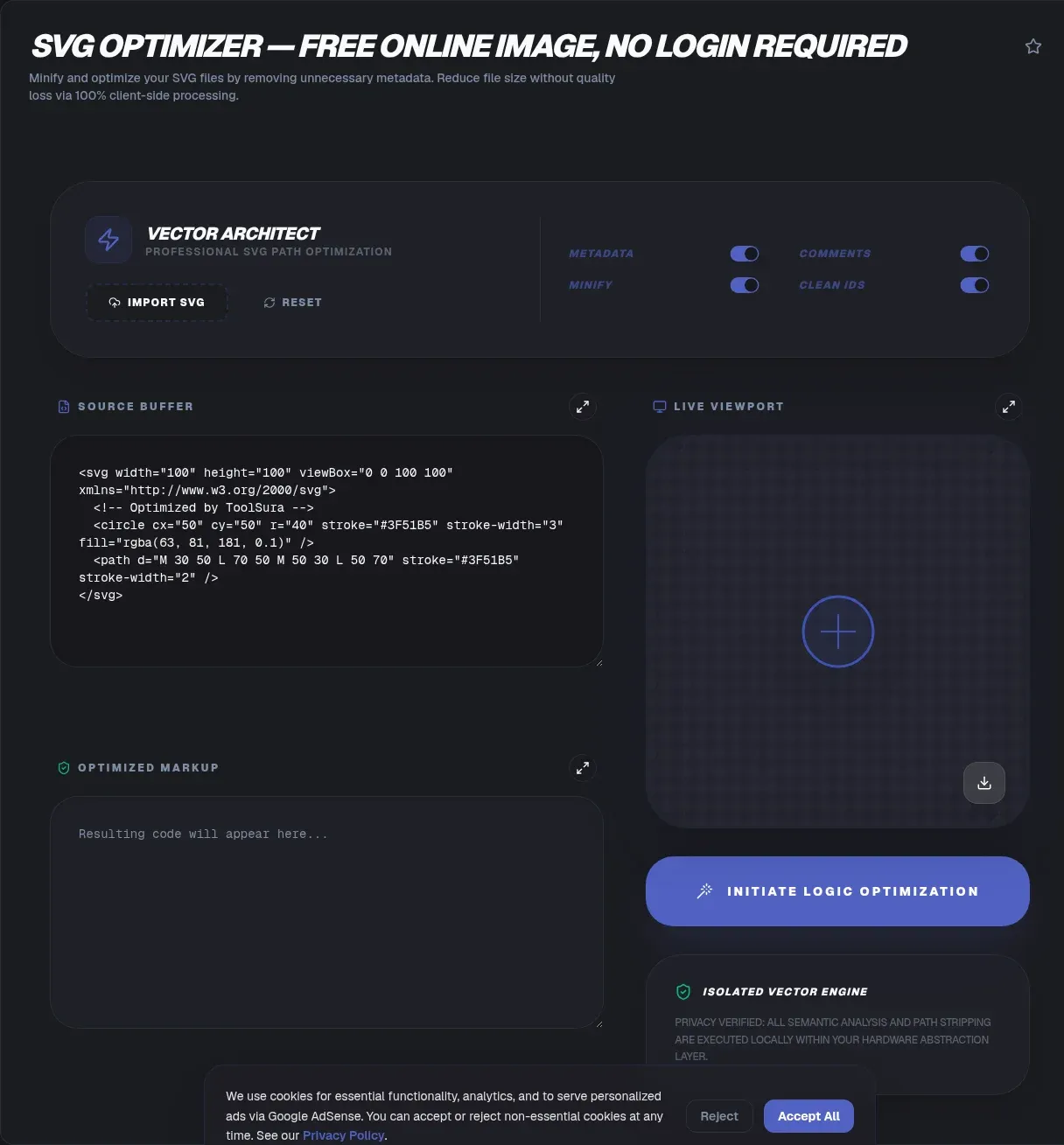
Free browser-based SVG optimizer. Compress and minify SVG files with no uploads: your files never leave your device. Cut file size 18-55%.
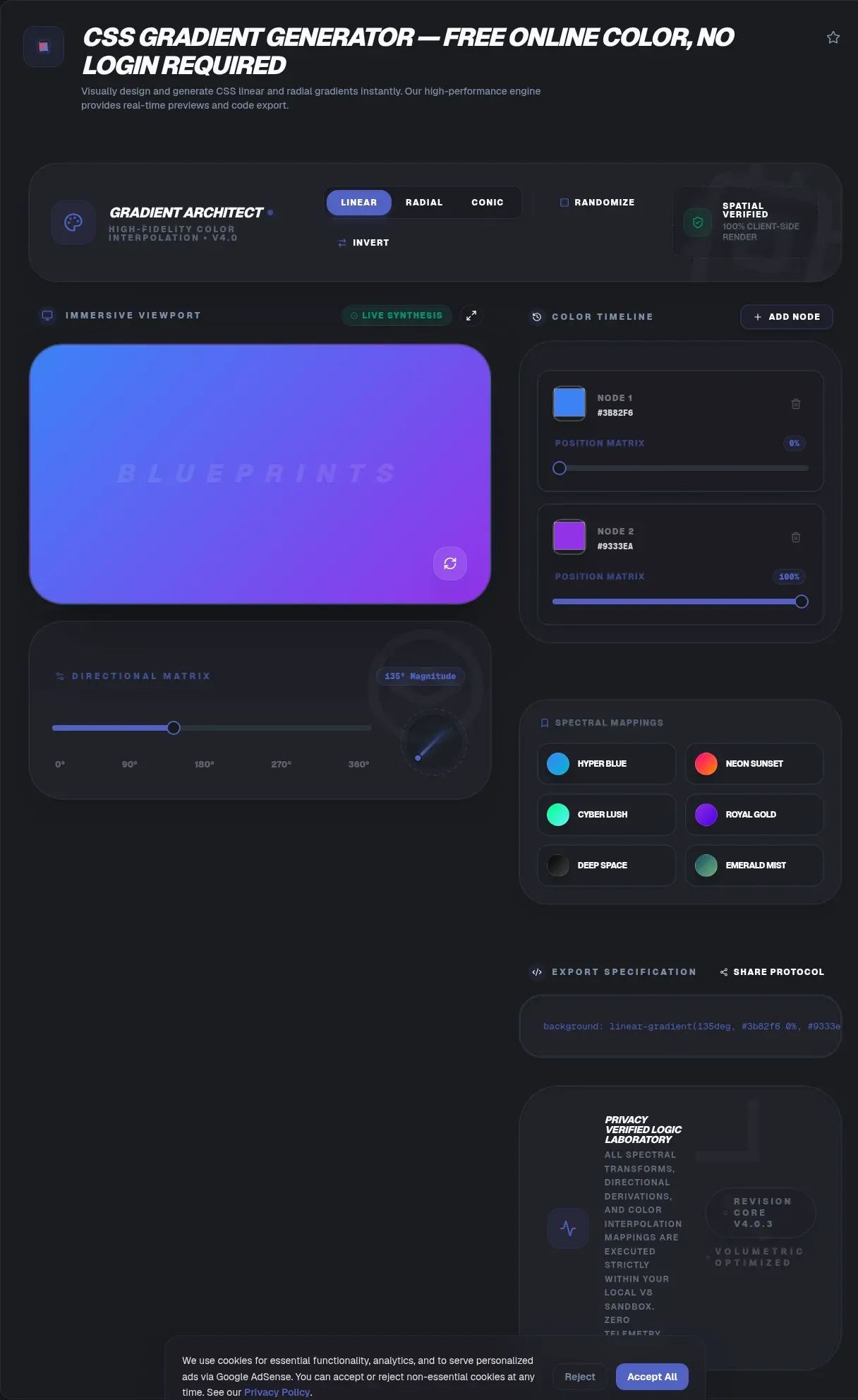
Build linear, radial, and conic gradients with a free CSS gradient generator that runs in your browser. Pick colors, copy production-ready CSS.
Take a free website screenshot in your browser. Capture any URL as PNG, JPEG, or WebP on your device. No upload, no signup, no server.